Dirty Soda Trend in Canada: What Beverage Operators Should Know
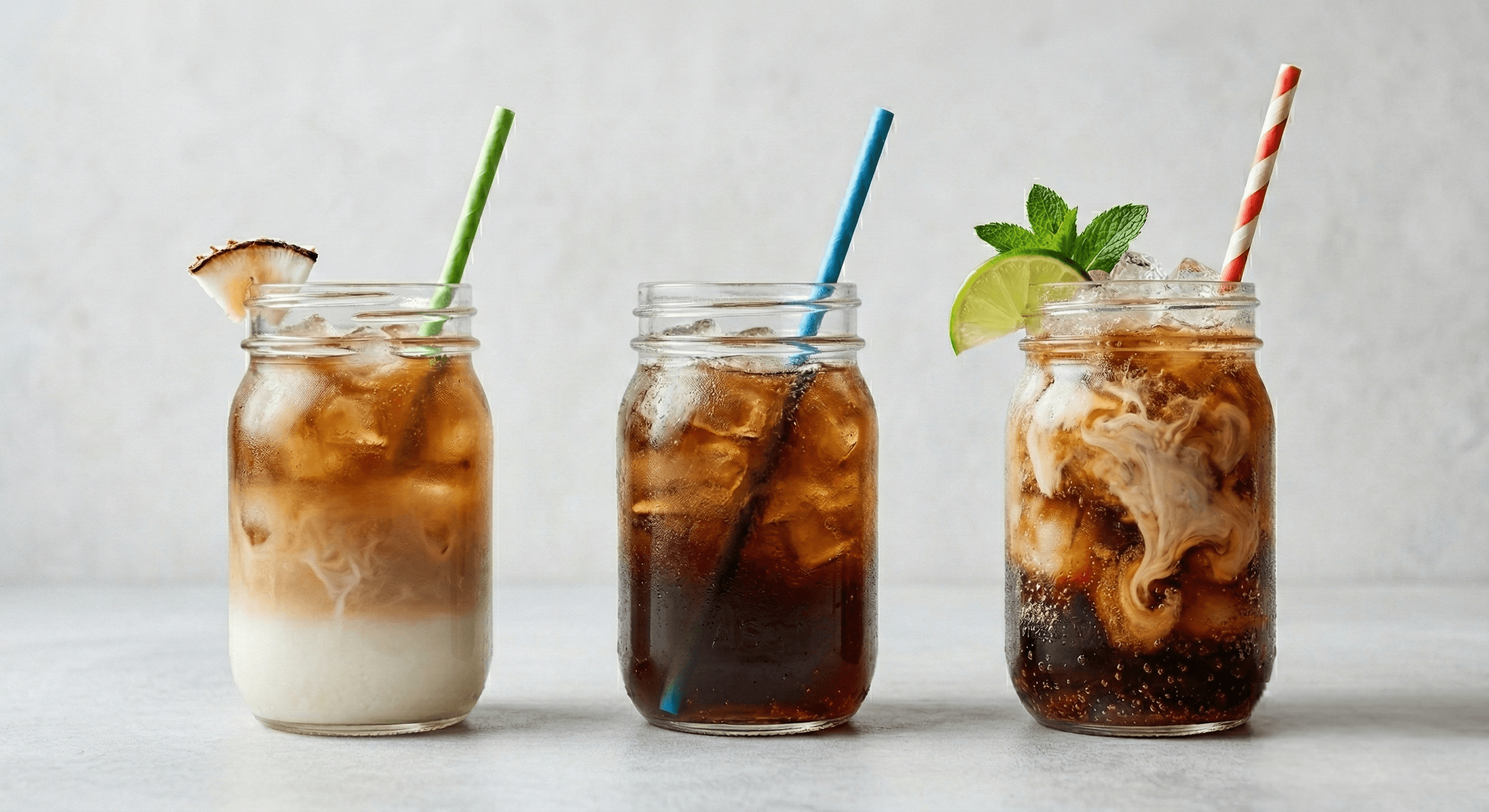
Over the past few years, a new beverage category has been quietly transforming drink menus across North America: dirty sodas. What started as a regional curiosity in Utah has evolved into a fast-growing trend that is now gaining serious momentum in Canada.
For cafés, restaurants, convenience stores, and beverage entrepreneurs, dirty sodas represent something rare in the beverage world: a high-margin, customizable drink category that requires minimal kitchen space while delivering strong customer engagement.
Behind every successful dirty soda program lies one critical element—professional water cooling, carbonation, and dispensing equipment such as the systems offered by Purotap.
For businesses planning a dirty soda menu, Purotap's sparkling water dispensing systems provide the chilled carbonated water foundation. How Commercial Sparkling Water Systems Work explains the equipment stack in more detail.
Here’s a look at how dirty sodas began, why they’re gaining attention so quickly, and how Canadian businesses can benefit from this emerging trend.
What Is a Dirty Soda?
A dirty soda is a customized soft drink created by combining several simple ingredients:
- Carbonated soda or sparkling water
- Flavored syrups or fruit infusions
- Cream or dairy alternatives
- Sweeteners or specialty add-ins like lime, coconut, or vanilla
Think of it as a craft drink without alcohol. It resembles a mocktail—but built around soda instead of spirits.
One of the original dirty soda combinations mixed Diet Coke with coconut syrup, fresh lime, and a splash of cream. The result was creamy, slightly tropical, and instantly recognizable yet completely new.
Today, there are hundreds of variations—from indulgent dessert-style drinks to ultra-low-calorie customized beverages.
The History: How Dirty Sodas Started in Utah
Dirty sodas originated around 2010 in Utah and are widely credited to soda shop chains such as Swig and Sodalicious.
The concept grew rapidly because of a unique cultural factor. Utah has a large Mormon population, and many residents avoid alcohol, coffee, and tea. Soda shops became social gathering spaces where teens and young adults could meet friends and enjoy customized drinks.
By the early 2010s:
- Drive-through soda shops spread across Utah
- Custom soda drinks became part of daily routines
- “Dirty” versions of classic sodas became signature menu items
What started as a regional curiosity quickly evolved into a scalable beverage business model.
From Utah Trend to U.S. Beverage Boom
Dirty sodas gained national attention thanks to several cultural and technological trends.
The category exploded across the United States due to:
- TikTok and Instagram virality
- Celebrity exposure
- Rising demand for non-alcoholic social drinks
By 2022, hundreds of thousands of social media posts featuring dirty sodas helped push the concept into mainstream awareness.
Major contributors to the U.S. dirty soda boom include:
- Swig – the original dirty soda chain
- Sodalicious
- Fiiz Drinks
- Drive-through beverage concepts similar to coffee chains
- Influencer marketing and viral drink content
As the trend grew, major beverage brands began introducing products specifically designed for dirty soda menus—confirming the category had moved beyond novelty and into a legitimate market segment.
Dirty Sodas Arrive in Canada
The trend has now crossed the border.
Beginning around 2025, dirty soda concepts started appearing in Alberta and British Columbia through pop-up beverage stands, drink trailers, and dessert cafés offering customizable soda menus.
Canadian growth is driven by several consumer trends:
- Rising demand for non-alcoholic beverages
- Gen Z and Millennial customization culture
- Social-media-driven drink experiences
- Café operators seeking high-margin menu additions
Examples of businesses promoting dirty sodas in Canada include:
- Independent soda bars and beverage trailers in Western Canada
- Dessert cafés introducing dirty soda menus
- Bubble tea and specialty drink shops expanding offerings
- Event catering companies offering customizable soda stations
Industry observers note that the category is still in its early stages in Canada—meaning businesses entering now may benefit from a strong first-mover advantage.
How Dirty Soda Systems Work (And Why Equipment Matters)
Behind every dirty soda is a simple but carefully designed dispensing system.
Step 1 – Chilled Water Supply
Water must remain consistently cold to maintain carbonation stability and drink quality.
Purotap water coolers provide:
- Continuous chilled water
- High-volume service capability
- Stable temperature control
Step 2 – Carbonation
A commercial carbonator injects CO₂ into chilled water to produce sparkling soda water.
Purotap carbonator dispensers deliver:
- Stable carbonation levels
- Fast recovery during busy service periods
- Commercial reliability for high-volume environments
Step 3 – Flavor Customization
Staff then add customizable ingredients such as:
- Syrups
- Creamers
- Fruit flavors
- Functional ingredients
The result is a fully customized beverage prepared in seconds.
Step 4 – Dispensing
Using countertop or undercounter systems, operators can produce drinks quickly with minimal labor—one reason dirty sodas offer exceptional profitability.
Types of Dirty Sodas
Dirty soda menus typically fall into several popular categories.
Classic Cream Sodas
Cola or lemon-lime soda combined with coconut or vanilla cream.
Tropical Dirty Sodas
Sparkling soda bases mixed with pineapple, mango, or coconut flavors.
Energy Dirty Sodas
Energy drinks blended with flavored syrups and cream alternatives.
Functional or Wellness Versions
Emerging options include low-sugar drinks, protein-enhanced beverages, and adaptogen-infused sodas.
Customization is the core appeal. Customers enjoy designing their own drinks, which makes dirty soda programs highly repeatable and social-media friendly.
Why Dirty Sodas Are So Profitable for Operators
Dirty soda programs succeed because they combine several strong operational advantages:
- Low ingredient costs
- High perceived value
- Fast preparation time
- Minimal kitchen requirements
- Strong branding opportunities
Many industry experts believe the trend is fueled by consumers seeking beverages that feel personal and social without including alcohol.
And the growth shows no signs of slowing. Dirty sodas are expected to expand rapidly through 2025 and beyond.
The Future of Dirty Sodas in Canada
The Canadian beverage market is shifting toward several key trends:
- Alcohol alternatives
- Experiential drinks
- Customizable menus
- Instagram-ready beverages
Dirty sodas align perfectly with these consumer preferences.
As adoption grows, we can expect to see:
- Dedicated dirty soda chains in major Canadian cities
- Integration into cafés and quick-service restaurants
- Expansion into catering and event services
- Ready-to-drink retail products
- Health-focused and functional beverage variations
Businesses that build the right infrastructure early will be best positioned to lead this emerging category.
How Purotap Helps Businesses Grow With Dirty Sodas
Purotap equipment forms the foundation of a professional dirty soda program.
Purotap Advantages
- Reliable chilled water supply
- Commercial-grade carbonation systems
- Compact countertop dispensing solutions
- Energy-efficient operation
- Scalable equipment for cafés, restaurants, and events
By delivering consistent carbonation and temperature control, Purotap systems allow operators to focus on creativity, branding, and customer experience rather than equipment limitations.
Final Thoughts
Dirty sodas have evolved from a Utah cultural phenomenon into one of North America’s fastest-growing beverage trends. With rising interest already visible in Canada, the opportunity for cafés, quick-service restaurants, and beverage entrepreneurs is significant.
The formula for success is simple:
Creative drinks + efficient dispensing + reliable equipment = profitable beverage programs.
As dirty sodas continue gaining popularity, Purotap water coolers and carbonator dispensers provide the professional backbone businesses need to scale successfully—delivering refreshing, customizable drinks customers will return for again and again.
Frequently Asked Questions
What exactly is a dirty soda?
A dirty soda is a customized soft drink that combines carbonated soda or sparkling water with flavored syrups, cream or dairy alternatives, and additional flavorings such as lime or coconut. The drinks are typically mixed fresh and designed to be customizable, making them popular among younger consumers and social-media-driven beverage trends.
Where did dirty sodas originate?
Dirty sodas originated in Utah around 2010. Soda chains such as Swig and Sodalicious popularized the concept by offering customized soda drinks through drive-through locations. Cultural factors, including lower alcohol consumption in the region, helped soda shops become social gathering spots where personalized drinks became part of daily routines.
Are dirty sodas becoming popular in Canada?
Yes. Dirty sodas are beginning to appear in Canadian cafés, beverage trailers, and dessert shops, particularly in Alberta and British Columbia. Social media exposure, demand for non-alcoholic drinks, and customizable beverage experiences are driving early adoption across the country.
Why are dirty sodas profitable for cafés and beverage shops?
Dirty sodas are profitable because the base ingredients—carbonated water, syrups, and creamers—are inexpensive while the drinks can sell at premium prices. Preparation is quick, labor requirements are minimal, and the customizable nature encourages repeat orders and strong social media promotion.
What equipment is needed for a dirty soda system?
A professional dirty soda setup typically includes a chilled water source, a carbonation system, and a dispensing station. Commercial water coolers and carbonator dispensers ensure stable carbonation, consistent temperature control, and reliable performance during busy service periods.
Can dirty sodas be served in restaurants and bars?
Yes. Dirty sodas are suitable for cafés, quick-service restaurants, dessert shops, bars, and event catering operations. They can function as alcohol-free menu items or as mixers for cocktails, making them versatile additions to modern beverage programs.