Sparkling Water for Hotels and Hospitality: A Better Guest Experience Without Bottled Water

Daniel is the owner of Purotap and has worked in the beer and beverage industry for around five years, including equipment setup, restaurant and office installations, beverage industry software, and international trade shows.
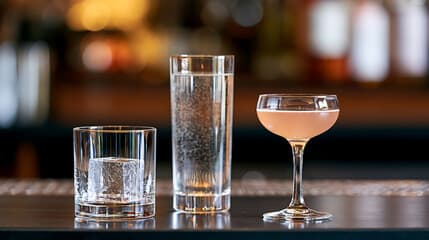
Hotels and hospitality venues serve water in more places than most teams realize. It appears in lobbies, lounges, restaurants, meeting rooms, breakfast areas, bars, gyms, spas, staff areas, and guest-facing event spaces.
That makes water service more than a small amenity. It affects storage, presentation, waste handling, labour, beverage revenue, and the way guests judge the property.
Bottled water is familiar, but it is not always efficient. Cases take space. Fridges fill up. Staff restock constantly. Empty bottles need to be cleared, sorted, and recycled. A filtered still and sparkling water system gives hospitality teams another option: chilled water on tap, served through a dedicated tower, carafe, glass, bottle, or beverage station.
Quick Answer
Hotels and hospitality venues can use on-tap still and sparkling water to reduce bottled water handling, improve beverage presentation, support premium non-alcoholic service, and simplify water access across lobbies, lounges, restaurants, conference spaces, and guest amenities.
The best setup depends on where the water will be served, how many guests use the space, whether staff or guests will operate the station, and whether the venue needs still water, sparkling water, or both. A complete system such as the Purotap 20 GPH Undercounter Water System can support chilled still and sparkling water from one service point with the dispenser, dual-tap tower, CO2 tank, filter, and setup hardware included.
Why Hotels Are Rethinking Bottled Water
Bottled water can make sense in some hospitality settings, especially where portability or sealed-room delivery matters. But for common areas and service points, it creates recurring operational work.
Hotels often deal with:
- Case storage in back-of-house areas
- Cooler space taken up by bottles
- Staff time spent restocking and moving cases
- Glass, plastic, cardboard, and cap waste
- Inconsistent presentation across departments
- Higher cost when water is served frequently
- Limited flexibility for mocktails, spritzes, and wellness drinks
On-tap filtered water does not remove every task, but it changes the workflow. Instead of managing bottle inventory all day, staff maintain the system, monitor CO2, replace filters, clean the tower, and serve water from a consistent station.
Where On-Tap Sparkling Water Fits in Hospitality
Lobby and welcome areas
A chilled water station in the lobby gives guests an immediate point of refreshment. Still and sparkling options can make the arrival experience feel more considered without relying on single-use bottles at the front desk.
Hotel bars and lounges
Sparkling water is useful behind the bar for spritzes, highballs, mocktails, zero-proof pairings, and premium table water. A dedicated system gives bartenders a consistent carbonated base without opening bottle after bottle during service.
Restaurants and breakfast areas
Hotel restaurants can use filtered still and sparkling water for table service, breakfast stations, brunch service, and beverage menus. A dual-tap system is useful when the venue wants both water types from one counter or service area.
Conference and meeting spaces
Meetings, banquets, and corporate events often use a large amount of water in a short period. Instead of staging rows of bottles, venues can serve carafes, refillable bottles, or staffed water stations.
Gyms, spas, and wellness areas
Filtered still and sparkling water can support wellness-focused amenities without adding sugary drinks or bottled beverage clutter. In these spaces, the station should be easy to clean, clearly placed, and sized for peak usage.
Staff areas
Back-of-house hydration matters too. A water system can support staff rooms, prep areas, and service teams that need reliable water access throughout a shift.
Bottled Water vs. On-Tap Water in Hotels
Bottled water is simple but repetitive
Bottled water is easy to buy and familiar to guests. It works well for minibars, room delivery, off-site catering, or situations where sealed individual containers are required.
The tradeoff is repetition. Every bottle must be purchased, stored, chilled, moved, opened, cleared, and recycled or discarded.
On-tap water needs planning but scales better
On-tap water requires installation planning. The venue needs water line access, power, filtration, counter or tower placement, ventilation, CO2 planning for sparkling water, and a maintenance routine.
Once installed, the system can serve repeated daily demand with less bottle handling and a more consistent guest-facing presentation.
What Equipment Hotels Need
A hospitality still and sparkling water setup usually includes:
- Undercounter chiller and carbonator
- Water filter
- CO2 tank and regulator
- Beverage and water lines
- Countertop tower or faucet
- Drip tray or sink-adjacent serving plan
- 120V power access
- Water line access
- Ventilation clearance around the unit
- Maintenance access for filter changes and service checks
For hotels that want one package for a new service point, the Purotap 20 GPH Undercounter Water System includes the dispenser unit, dual-tap tower, CO2 tank, 3M HF60 filter, and setup hardware.
For custom builds, replacement projects, or venues that already have compatible filtration, tower, or gas planning, the Purotap 20 GPH Undercounter Water Dispenser can be used as the core unit.
Planning the Service Point
The best water system is not just the one with the right output. It is the one staff will actually use correctly.
Before installation, hotels should decide:
- Will guests use the station directly, or will staff serve water?
- Will the system serve still water, sparkling water, or both?
- Is the service point in a lobby, bar, restaurant, meeting space, or back-of-house area?
- Where will the tower or faucet sit?
- Where will drips go?
- Where will the undercounter unit sit?
- Where will the CO2 tank be secured?
- Who will replace filters and check CO2?
- How will staff clean the tower and surrounding area?
- Will water be served in glasses, carafes, refillable bottles, or guest cups?
This planning matters because hospitality venues usually have multiple teams using the same equipment. Front desk, food and beverage, events, housekeeping, and facilities may all touch the water program in different ways.
Filtration and Taste
Water taste is especially important in hospitality because guests may be comparing the experience to bottled water, restaurant service, or a previous stay.
Filtration can help improve taste and reduce aesthetic issues such as chlorine taste and odour, depending on the filter type and local water quality. It also helps protect dispensing equipment.
Purotap's complete system includes a 3M HF60 filter. Higher-volume venues or locations with different water conditions may consider the 3M HF90 filter.
Hotels should confirm:
- Local water quality
- Filter capacity
- Recommended replacement interval
- Filter access location
- Staff responsibility for replacement
- Whether the filter matches the intended use
CO2 Planning for Sparkling Water
Sparkling water requires CO2. Hotels should plan the gas side before the system is installed, not after.
Key questions include:
- Where will the CO2 tank sit?
- Is the tank upright and secured?
- Is the area ventilated and accessible?
- Who checks tank level?
- Where will tanks be filled or exchanged locally?
- Is a backup tank needed for events or high-volume service?
For many hospitality settings, a 5 lb CO2 Tank is a practical starting point because it reduces refill frequency compared with smaller cylinders. A 2.5 lb CO2 Tank can make sense where space is tight or usage is lighter.
CO2 tanks usually ship empty, so hotels should identify a local refill or exchange source before the system goes live.
Guest Experience Benefits
On-tap still and sparkling water can improve the guest experience in several practical ways.
First, it gives guests choice. Still water, sparkling water, and chilled filtered water feel more intentional than a single bottle option.
Second, it improves presentation. Water can be served in glassware, carafes, refillable bottles, or a clean self-serve station that matches the property.
Third, it supports better non-alcoholic beverage service. Sparkling water can become the base for mocktails, spritzes, citrus drinks, botanical drinks, and zero-proof pairings.
Fourth, it reduces friction for staff. Instead of locating bottles during busy service, teams can work from a known water point.
Common Mistakes to Avoid
Treating hotel water as one use case
Lobby water, restaurant water, meeting room water, gym water, and bar water all have different service needs. Choose the system location and workflow based on the specific department.
Installing the tower where it looks good but works poorly
The tower should support service flow. A beautiful placement can still be wrong if staff cannot reach it, clean it, or refill glassware efficiently.
Forgetting events and peak demand
Hotels often have usage spikes during breakfast, check-in, conferences, weddings, and banquets. Size the system around peak demand, not just average daily use.
Ignoring CO2 refill responsibility
Sparkling water service depends on gas availability. Assign responsibility for checking tanks and planning refills before the first busy event.
Making maintenance hard to access
Filters, CO2 tanks, ventilation areas, and the undercounter unit should be reachable. If maintenance is awkward, it will be delayed.
Hospitality Buying Checklist
Before choosing a system, confirm:
- Primary service area
- Expected guest volume
- Still and sparkling water requirements
- Water line access
- 120V power access
- Undercounter space
- Ventilation clearance
- Tower or faucet placement
- CO2 tank location
- Filter replacement access
- Glassware, carafe, or bottle service plan
- Staff cleaning routine
- Event and peak-demand requirements
Recommended Product Paths
Hotel lobby or lounge water station
Start with the Purotap 20 GPH Undercounter Water System if the venue needs both still and sparkling water from one polished service point.
Hotel bar or restaurant
Use a complete still and sparkling system for table water, mocktails, spritzes, and bar service. Pair it with a 5 lb CO2 Tank if refill frequency matters.
Custom hospitality buildout
Consider the Purotap 20 GPH Undercounter Water Dispenser if the property already has compatible tower, filtration, or installation components planned.
Higher-volume venue or event space
Plan filtration, CO2 backup, tower placement, and staff workflow before installation. Larger venues should confirm peak output needs and refill logistics in advance.
Research Sources
This guide was informed by NSF water treatment standards guidance, the CDC guide to choosing water filters, 3M High Flow performance data, the Canadian Centre for Occupational Health and Safety carbon dioxide profile, and NIST compressed gas safety guidance.
Frequently Asked Questions
Is sparkling water a good amenity for hotels?
Yes. Sparkling water can be a useful hotel amenity because it gives guests a premium non-alcoholic option in lobbies, lounges, restaurants, meeting spaces, bars, gyms, and wellness areas. It works best when the station is clean, easy to access, and matched to the property's service style.
Can hotels replace bottled water with on-tap filtered water?
Hotels can replace some bottled water use with on-tap filtered still and sparkling water, especially in common areas, restaurants, bars, and meeting spaces. Bottled water may still be useful for rooms, off-site catering, minibars, or sealed individual service.
What equipment does a hotel need for sparkling water on tap?
A hotel usually needs an undercounter chiller and carbonator, water filter, CO2 tank, regulator, beverage lines, and a countertop tower or faucet. The installation also needs water access, power, ventilation, and a service plan.
Do hotel sparkling water systems need CO2?
Yes. Sparkling water systems use CO2 to carbonate chilled water. Hotels should plan tank placement, refill access, staff responsibility, and secure upright storage before installation.
Where should a hotel install a sparkling water station?
Common locations include lobby areas, lounges, hotel bars, restaurants, breakfast areas, conference spaces, gyms, spas, and staff areas. The best location depends on guest flow, staff workflow, water line access, power access, and cleaning requirements.
Can one system serve both still and sparkling water?
Yes, some systems can serve both. The Purotap 20 GPH complete system includes a dual-tap tower designed for chilled still and sparkling water from one service point.

About Daniel K
Owner of Purotap
Daniel is the owner of Purotap and has worked in the beer and beverage industry for around five years, including equipment setup, restaurant and office installations, beverage industry software, and international trade shows.
Read Daniel's full story