Commercial Sparkling Water System Buying Guide for Restaurants
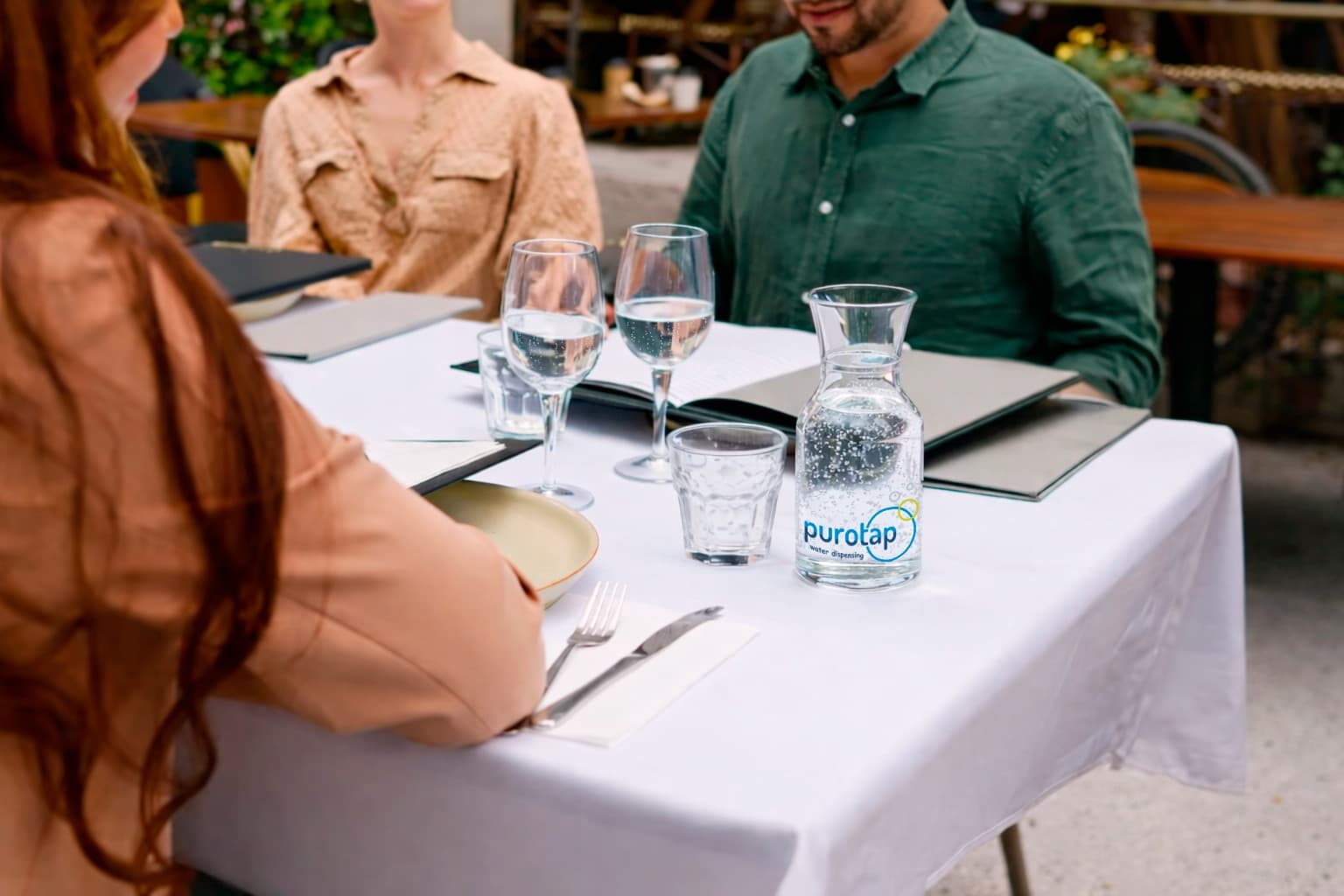
For restaurants, sparkling water is not just a drink. It is part of the guest experience, the beverage program, the service flow, and the back-of-house operating model. A good commercial sparkling water system can reduce bottled water storage, support premium non-alcoholic drinks, and give servers a consistent still and sparkling water option at the tap.
The wrong system can create problems: slow recovery during service, weak carbonation, warm pours, poor-tasting water, awkward tower placement, difficult filter changes, or CO2 logistics that staff do not understand.
This guide explains how restaurants should evaluate a commercial sparkling water system before buying.
Quick Answer
The best commercial sparkling water system for a restaurant should have enough hourly output for peak service, a reliable chilling and carbonation system, proper water filtration, a safe CO2 setup, an easy-to-use tap tower, standard electrical requirements, and clear maintenance steps. For many restaurants, an undercounter still and sparkling water system with a dual-tap tower, CO2 tank, and high-flow filter is the most practical setup.
Purotap's 20 GPH Undercounter Water System is built for restaurants that want both still and sparkling water from one commercial-grade setup. The complete package includes the dispenser unit, dual-tap tower, CO2 tank, 3M HF60 filter, and setup hardware.
What a Restaurant Sparkling Water System Does
A commercial sparkling water system takes incoming water, filters it, chills it, carbonates it with CO2, and dispenses it through a tower or faucet. Some systems dispense only sparkling water. Others, like dual-line systems, dispense both still and sparkling water.
Most restaurant systems include:
- Undercounter chiller and carbonator
- Water filter
- CO2 tank
- Regulator and gas connection
- Beverage and water lines
- Countertop tower or faucet
- Drip tray or sink-adjacent serving point
For a deeper technical explanation, see How Commercial Sparkling Water Systems Work.
Why Restaurants Buy Sparkling Water Systems
Better guest experience
Cold sparkling water feels intentional. It works at casual restaurants, cocktail bars, hotel lounges, tasting rooms, and higher-end dining rooms because it gives guests a more polished alternative to plain tap water or bottled sparkling water.
Less bottled water handling
Bottled sparkling water takes storage space, creates packaging waste, needs restocking, and can slow down service. On-tap sparkling water gives staff a repeatable serving method without carrying bottles from storage to the table.
More beverage menu flexibility
Sparkling water is useful beyond table water. Restaurants can use it for:
- Spritzes
- Highballs
- Italian sodas
- Dirty sodas
- Mocktails
- Non-alcoholic pairings
- Flavored sparkling drinks
That makes the system part of the beverage program, not just a water station.
More control over water quality
With a filtered system, restaurants can control taste more consistently than they can with unfiltered tap water. NSF explains that common water treatment standards such as NSF/ANSI 42 relate to reductions in aesthetic issues like chlorine, taste, and odor. The CDC also recommends checking a filter's label or certification to understand what it is designed to reduce.
The Buying Criteria That Matter
1. Output capacity
Capacity is one of the first numbers to check. A restaurant system needs enough output for peak service, not just average daily volume.
The Purotap 20 GPH Undercounter Water System is rated for 20 gallons per hour, or about 75 liters per hour. That matters for restaurants because demand often arrives in waves: lunch rush, dinner seating, patio service, event service, or bar service.
If the system is too small, staff may notice:
- Slow recovery after repeated pours
- Warmer water during busy service
- Inconsistent carbonation
- Staff reverting to bottled products
For lower-volume restaurants, cafes, or custom installs that already have towers and accessories, the Purotap 20 GPH Undercounter Water Dispenser can be used as the core unit.
2. Still and sparkling capability
Many restaurants need both still and sparkling water. A dual-line setup gives staff one service area for both.
That is useful when:
- Servers offer still or sparkling water at the table.
- The bar uses sparkling water for cocktails.
- The restaurant wants filtered still water without a separate dispenser.
- Staff need a simple, consistent routine.
If you only buy a sparkling-only system, you may still need another filtered water solution. A dual-line system can simplify the equipment footprint.
3. Chilling performance
Cold water carbonates better and tastes better. Temperature matters because warm water does not hold carbonation as well as cold water.
For restaurant buyers, chilling performance should be evaluated as part of the dispensing system. You are not buying a "cooling company" product. You are buying a beverage dispensing system that needs reliable chilling as one feature.
Look for:
- Commercial-grade chilling capacity
- Recovery during back-to-back pours
- Digital temperature control
- Standard restaurant electrical requirements
- Adequate airflow and undercounter space
The Purotap complete system uses a digital thermostat and is listed at 36-50 F / 2-10 C.
4. Filtration
Filtration is not optional for most restaurant sparkling water systems. It improves taste and helps protect the equipment.
A restaurant should ask:
- What does the filter reduce?
- What is the filter capacity?
- How often is replacement recommended?
- Is the filter easy to access?
- Does the filter match local water quality?
Purotap's complete system includes a 3M HF60 filter, listed with a 35,000 gallon capacity and recommended 6-month replacement interval. 3M performance data also lists 35,000 gallon capacity and 3.34 gpm flow rate for some High Flow configurations.
Restaurants with heavier service or different water conditions may consider the 3M HF90 filter, which is listed with a 50,000 gallon capacity.
5. CO2 setup
Sparkling water requires CO2. The CO2 tank supplies the gas that carbonates the water.
Restaurants should plan:
- Where the CO2 tank will sit
- How staff will secure it
- Where it will be refilled locally
- Whether backup CO2 is needed
- Who checks tank levels
Compressed gas cylinders should be handled carefully. OSHA and other safety guidance consistently emphasize that cylinders should be secured upright and protected from tipping or damage. Restaurants should also follow local safety requirements for CO2 storage and use.
Purotap offers:
CO2 tanks ship empty because filled gas cylinders are restricted for shipping. Restaurants should plan a local refill source before installation.
6. Tap tower and serving point
The tower is what staff and guests see. It should fit the counter, match the service style, and be easy for staff to operate.
For restaurants, tower placement affects:
- Server speed
- Bar workflow
- Guest-facing presentation
- Drip tray planning
- Cleaning routines
- Counter drilling and access
The Milano Double Tap Tower is designed for still and sparkling water service from one countertop dispense point. A dedicated tower keeps the system easy to understand: one side for still water, one side for sparkling water.
7. Installation requirements
Before buying, confirm the site can support the system.
Most restaurant sparkling water systems need:
- Cold water line access
- Standard 120V electrical outlet
- Undercounter space
- Ventilation clearance
- CO2 tank location
- Tower or faucet mounting location
- Drip tray or sink-adjacent serving plan
The Purotap complete system includes setup hardware and can be installed by a qualified DIY buyer, plumber, beverage technician, or trade installer. Purotap can help customers understand the requirements and may be able to suggest installer contacts.
8. Maintenance
A restaurant should choose a system staff can maintain without guesswork.
Typical maintenance tasks include:
- Replacing the water filter
- Refilling or replacing the CO2 tank
- Cleaning the tap tower and dispense area
- Checking for leaks
- Keeping the drip tray clean
- Reviewing pressure and temperature if performance changes
The main ongoing costs are filter replacement and CO2 refills. Compared with bottled sparkling water, these are usually easier to forecast and easier to store.
Complete System vs Unit Only
Restaurants should decide whether they want a complete package or a unit-only setup.
Choose a complete system if:
- You want still and sparkling water from one package.
- You need the tower, CO2 tank, filter, and setup hardware.
- You are building a new service point.
- You want fewer compatibility decisions.
Recommended product:
Choose the unit only if:
- You already have a tower.
- You already have filtration.
- You are replacing an existing dispenser.
- You are building a custom setup.
Recommended product:
Restaurant Buying Checklist
Before purchasing, confirm:
- Expected number of guests per service
- Whether you need still and sparkling water
- Water line access
- 120V outlet availability
- Undercounter space
- Tower location
- CO2 storage and refill source
- Filter replacement access
- Drip tray or sink plan
- Staff training for CO2, cleaning, and filter changes
Common Mistakes to Avoid
Buying too small
Restaurants should size for peak service, not average service. A system that works during slow hours may struggle during dinner rush.
Ignoring filtration
Poor water quality affects taste and can hurt equipment performance. Choose filtration based on local water conditions and replacement schedule.
Forgetting CO2 logistics
CO2 is easy to overlook until the tank is empty. Restaurants should identify refill sources and assign responsibility for checking tank levels.
Poor tower placement
If the tower is awkward to reach, staff will avoid using it. Place the dispense point where it supports service flow.
Treating sparkling water as only table water
The best ROI often comes when the system supports the bar and non-alcoholic beverage menu, not just table service.
Research Sources
This guide was informed by NSF water treatment standards guidance, the CDC guide to choosing water filters, 3M High Flow performance data, UChicago Medicine guidance on sparkling water, and NIST compressed gas safety guidance.
Frequently Asked Questions
What is the best commercial sparkling water system for restaurants?
The best commercial sparkling water system for restaurants has enough output for peak service, filters incoming water, chills and carbonates consistently, uses a safe CO2 setup, and dispenses through an easy-to-use tower. A dual-line undercounter system is useful because it can serve both still and sparkling water from one service point.
How much output does a restaurant sparkling water system need?
Restaurants should size output for peak service rather than average use. A 20 gallon per hour system is a practical commercial capacity for many restaurants, bars, offices, and venues because demand often arrives in waves during lunch, dinner, and event service.
What equipment is included in a complete sparkling water system?
A complete restaurant sparkling water system typically includes the undercounter dispenser, tap tower or faucet, CO2 tank, water filter, beverage lines, and setup hardware. The Purotap complete system includes the 20 GPH unit, dual-tap tower, CO2 tank, 3M HF60 filter, and setup hardware.
Do restaurants need a water filter for sparkling water?
Yes. Filtration improves taste and helps protect the equipment. Restaurants should choose filters based on local water quality, service volume, and the specific reduction claims listed for the filter.
Do CO2 tanks ship full?
No. CO2 tanks ship empty because filled gas cylinders are restricted for shipping. Restaurants should identify a local gas supplier, beverage gas provider, or approved refill source before the system is installed.
Is sparkling water healthier than soda?
Plain sparkling water contains no sugar and no calories, making it a useful alternative to soda when served without sweeteners. Restaurants can also use sparkling water as a base for lower-sugar mocktails, spritzes, and non-alcoholic beverage programs.
Should a restaurant buy a complete system or a unit-only system?
A complete system is better when the restaurant needs the dispenser, tower, CO2 tank, filter, and setup hardware together. A unit-only system is better for custom installations, replacement units, or restaurants that already have compatible towers, filtration, and CO2 equipment.